Why Plants Make a Difference
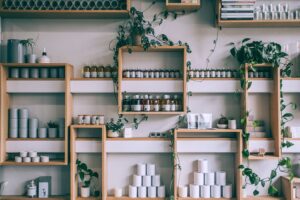
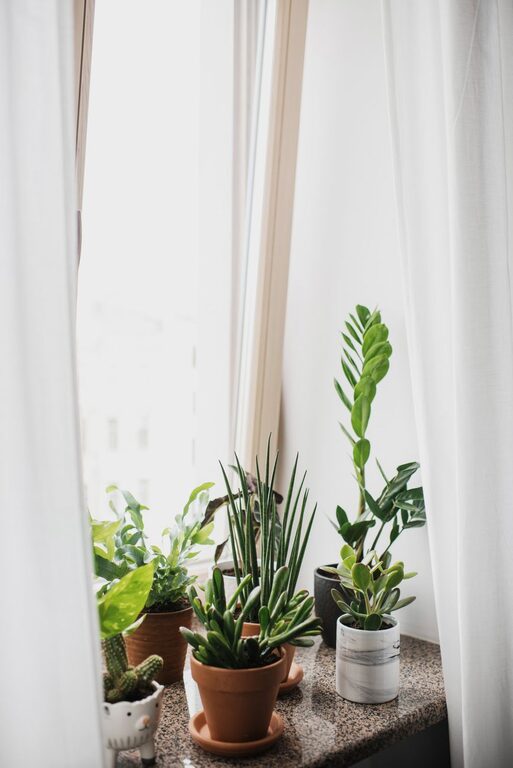
Plants are one of the easiest ways to refresh your home. They add color, texture, and natural shapes to rooms that may otherwise feel plain. A few well-placed plants can also help define spaces, soften hard surfaces, and make your home feel more welcoming.
You do not need a large collection or a house filled with sunlight to get started. The key is to choose plants that suit your space, routine, and style. With thoughtful placement and simple care, even one plant can create a noticeable change.
Start by Looking at Your Space
Before buying plants, take a quick tour of your home. Notice where light enters, which areas feel empty, and where you already have shelves, tables, or unused corners.
Consider these questions:
– Which rooms receive bright, indirect light?
– Are there darker areas that need a small decorative touch?
– Do you have space for floor plants, or would shelves work better?
– Are there rooms with changing temperatures or drafts?
– How much time can you spend on plant care?
Making these observations first will help you avoid choosing plants that are difficult to maintain. It also makes it easier to create a balanced look instead of placing plants randomly.
Choose Plants That Match Your Lifestyle
Different plants have different needs. If you are new to indoor gardening, start with varieties known for being forgiving and easy to care for.
Good Choices for Beginners
Some popular options include:
– Snake plants: They have tall, structured leaves and can handle a range of indoor conditions.
– Pothos: Their trailing vines look attractive on shelves or in hanging planters.
– ZZ plants: These have glossy leaves and a strong, simple shape.
– Spider plants: Their arching leaves work well in bright rooms and casual spaces.
– Rubber plants: Their broad leaves make a bold statement in living rooms or entryways.
– Cast iron plants: They are useful for areas with lower light and have a full, leafy appearance.
Choose plants based on your home rather than appearance alone. A beautiful plant that struggles in the wrong location will require more effort and may not stay healthy.
Refresh Each Room With a Simple Plant Plan
Plants can serve different purposes throughout your home. Instead of using the same display in every room, think about how each space is used.
Living Room
The living room is often the best place for a larger plant. A tall plant in an attractive pot can fill an empty corner beside a sofa, bookcase, or window.
For a layered look, combine plants at different heights:
– Place a tall plant on the floor.
– Add a medium plant to a side table.
– Set a small plant on a shelf or stack of books.
– Use a trailing plant to soften the edge of a cabinet.
Keep walkways clear, and avoid placing plants where leaves may be brushed against frequently.
Kitchen
The kitchen is a natural spot for small plants. A few herbs on a sunny windowsill can add color and provide fresh ingredients for cooking. If your kitchen has limited light, choose decorative plants that can tolerate those conditions.
Small pots work well on open shelves, counters, or a breakfast nook. Avoid placing plants too close to heat sources, such as ovens, stovetops, or toaster ovens. Steam and temperature changes can also affect some varieties, so provide enough space for air to move around the plants.
Bedroom
A small plant can make a bedroom feel softer and more comfortable. Place one on a dresser, nightstand, or window ledge, while keeping the arrangement uncluttered.
Choose plants with simple shapes and calming colors if you prefer a relaxed look. A single leafy plant may have more impact than several small pots crowded together. Make sure the plant receives appropriate light, and avoid overwatering in a room with limited airflow.
Bathroom
Bathrooms can be excellent locations for plants that enjoy humidity, especially if the room has a window. Plants on a shelf, beside the sink, or in a hanging planter can add a fresh, natural touch.
Because bathrooms often have changing temperatures and moisture levels, use pots with drainage holes. Allow the soil to dry as needed rather than following a fixed watering schedule.
Entryway
The entryway sets the tone for the rest of your home. A medium or tall plant beside a console table can make the area feel finished without requiring additional decorations.
If the entryway is dark, choose a plant that handles lower light or place a small artificial plant in the area and save living plants for brighter rooms. Keep the floor space open so the entrance remains easy to use.
Use Containers to Add Style
Plant pots are part of your decor, so choose containers that complement the room. Matching pots can create a neat, coordinated look, while different materials can make a display feel more relaxed and collected.
Consider these options:
– Ceramic pots: A versatile choice for traditional, modern, or colorful rooms.
– Woven baskets: Useful for covering plain nursery pots and adding warmth.
– Terracotta pots: A natural choice for simple, earthy interiors.
– Metal planters: A good match for modern or industrial-inspired spaces.
– Glass containers: Suitable for water propagation or small decorative displays.
Always check that the decorative container does not trap excess water. If a pot has no drainage hole, keep the plant in a separate nursery pot and remove it for watering.
Create Visual Balance
A plant display looks more intentional when it includes variety. Combine different leaf shapes, heights, and textures, but keep the overall arrangement simple.
For example, pair a tall plant with a round-leaf variety and a trailing plant. Use one or two main colors in the pots so the collection feels connected. You can also repeat the same material, such as wood, ceramic, or woven fiber, in different parts of the room.
Leave some open space between plants. Crowded displays can make a room feel busy and may make watering, cleaning, and checking leaves more difficult.
Build a Simple Care Routine
Consistent care is more important than complicated care. Create a basic routine that fits naturally into your week.
Check Before Watering
Do not water every plant on the same schedule. Touch the top layer of soil first. If it feels dry, the plant may need water. If it still feels damp, wait and check again later.
When watering, provide enough to moisten the soil, then allow excess water to drain. Empty trays and outer containers so the plant is not sitting in water.
Clean and Rotate Plants
Dust can collect on broad leaves and make plants look dull. Wipe leaves gently with a soft, damp cloth when needed. Small plants can sometimes be rinsed carefully, provided the soil and pot are suitable for it.
Rotate plants every few weeks so all sides receive light. This encourages more even growth and helps prevent a plant from leaning strongly toward a window.
Watch for Changes
Check your plants regularly for yellow leaves, dry edges, drooping, or slow growth. These signs may indicate too much water, too little light, or a location that is too hot or cold.
Make one change at a time so you can see what helps. Moving a plant closer to a window or adjusting your watering routine may be enough to improve its appearance.
Refresh Your Collection Over Time
You do not need to transform your home in one weekend. Start with one or two plants in the rooms you use most, then add more as you learn what works.
Move plants between rooms when you want a seasonal change, replace tired containers, or group plants on a new shelf. You can also take cuttings from suitable trailing plants and grow new displays without buying more.
With the right choices, plants can refresh your home in a way that feels personal, flexible, and easy to maintain. Focus on healthy plants, practical placement, and containers you enjoy looking at. Small changes can make every room feel brighter and more inviting.