
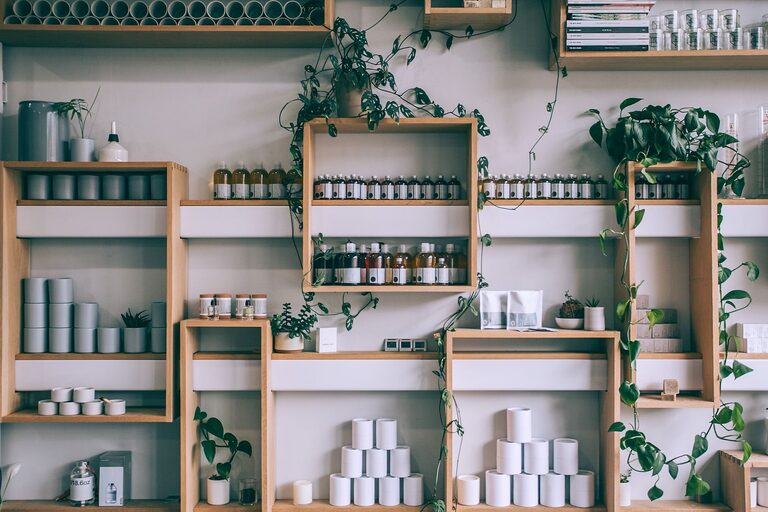
Living in a small home does not mean you have to live with constant clutter. The key is to use the space you have more thoughtfully. With the right furniture, storage habits, and a few creative solutions, even a compact apartment or small room can feel open, organized, and comfortable.
The best small space storage ideas do more than add containers. They make everyday items easier to find, use overlooked areas, and help each piece of furniture serve more than one purpose.
Start by Finding Unused Space
Before buying storage products, look around your home for areas that are currently being overlooked. Small spaces often have useful storage potential above, below, and behind the furniture you already own.
Check these commonly unused areas:
– The space under the bed
– The tops of cabinets and bookcases
– Empty wall sections
– The backs of doors
– Corners and narrow gaps
– The area beneath a window
– Space above kitchen cabinets
– The sides of large appliances
Use a measuring tape to record the height, width, and depth of each area. Accurate measurements help you avoid buying storage that does not fit and make it easier to choose practical solutions.
Use Vertical Wall Storage
When floor space is limited, look upward. Walls can hold shelves, hooks, rails, and cabinets without taking up valuable walking space.
Add Floating Shelves
Floating shelves are useful in almost any room. Install them in the kitchen for spices and dishes, in the bathroom for towels and toiletries, or in the living room for books and decorative items.
To keep shelves from looking crowded, group similar items together and leave some open space between them. Attractive baskets and matching containers can hide small items while creating a neat appearance.
Install Pegboards and Wall Rails
A pegboard can organize tools, craft supplies, office materials, or kitchen equipment. Since hooks and shelves can be moved, the layout can change as your needs change.
Wall rails are another flexible option. Add hooks for mugs, utensils, cleaning tools, or bags. This approach keeps frequently used items within easy reach while freeing up drawers and cabinets.
Choose Furniture With Built-In Storage
In a small home, furniture should work harder. Look for pieces that combine their primary purpose with hidden or built-in storage.
Useful options include:
– Beds with drawers or lift-up platforms
– Ottomans with removable tops
– Benches with storage compartments
– Coffee tables with shelves or drawers
– Nightstands with multiple levels
– Sofas with built-in storage sections
– Desks with cabinets or drawers
A storage ottoman, for example, can serve as seating, a footrest, and a place to store blankets or board games. Choose furniture that fits the room carefully, and avoid filling a small space with oversized pieces.
Make the Most of the Entryway
Entryways often become cluttered because they are used for shoes, coats, bags, keys, and mail. Even a narrow entry can become more functional with a few simple changes.
Mount hooks at different heights for adults and children. Add a slim shoe cabinet or a small bench with space underneath. A wall-mounted shelf with a tray can hold keys and other small items.
If you do not have a separate entryway, create one near the door. A small rug, a row of hooks, and a narrow shelf can define the area without taking up much room.
Keep only the items you use regularly near the entrance. Store seasonal coats, extra shoes, and rarely used bags elsewhere to prevent the area from becoming crowded.
Organize the Space Under the Bed
The area beneath the bed is one of the largest hidden storage spaces in many bedrooms. Use low containers, drawers, or boxes designed to slide easily.
This area works well for:
– Seasonal clothing
– Extra bedding
– Shoes
– Luggage
– Holiday decorations
– Keepsakes
Choose containers with lids if the space is dusty. Label each container so you can find items without pulling everything out. If your bed has little clearance, consider risers or a bed frame with built-in drawers, provided the result remains stable and comfortable.
Improve Kitchen Cabinet Storage
Small kitchens benefit from making every cabinet and drawer more efficient. Start by removing expired food, duplicate tools, and appliances you rarely use.
Then try these solutions:
– Add shelf risers to create extra levels
– Use a pullout organizer in deep cabinets
– Install a rack on the inside of a cabinet door
– Store cutting boards vertically
– Place spices in a shallow drawer or wall rack
– Use stackable containers for dry goods
– Add hooks beneath upper cabinets for mugs
A lazy Susan can make corner cabinets easier to use. Clear containers can also help you see what you have, reducing duplicate purchases and making pantry organization simpler.
Use the Back of Every Door
Doors offer convenient vertical storage without changing the layout of a room. Over-the-door organizers are available in many sizes and styles, making them useful for bedrooms, bathrooms, kitchens, and closets.
In a bedroom, use one for accessories, shoes, or small bags. In a bathroom, it can hold hair tools, toiletries, or cleaning supplies. A pantry door can store snacks, wraps, spices, and other narrow items.
Make sure the organizer does not prevent the door from closing. Avoid placing too much weight on lightweight doors, and choose secure mounting hardware when needed.
Make Closets Easier to Use
A small closet can hold much more when it is divided into zones. Instead of hanging everything from one rod, use a combination of shelves, bins, hooks, and hanging organizers.
Try these closet improvements:
– Add a second hanging rod for shorter clothing
– Use slim hangers to save rod space
– Store folded items on shelf dividers
– Keep shoes on a rack or in labeled boxes
– Place handbags on hooks
– Use bins for accessories and seasonal items
– Store luggage inside larger luggage when possible
Arrange clothing by type or frequency of use. Keep everyday items at eye level and move seasonal pieces to higher shelves or less accessible areas.
Store Items in Corners and Narrow Gaps
Corners and narrow spaces can be difficult to furnish, but they are ideal for slim storage pieces. A tall corner shelf can hold books, plants, or bathroom supplies. A narrow rolling cart can fit between a refrigerator and a wall, making use of a gap that might otherwise be wasted.
Other helpful options include:
– Slim bookcases
– Corner cabinets
– Narrow rolling carts
– Tall baskets
– Wall-mounted organizers
– Ladder-style shelves
Before using a narrow gap, check for vents, electrical outlets, and doors that need to open fully. Storage should improve the room, not make it harder to move around.
Keep Storage Simple and Consistent
Too many different containers can make a small room look busy. Choose a limited color palette and use similar baskets or boxes where possible. Matching storage creates a calmer appearance and makes shelves easier to maintain.
Use clear containers for items you need to see quickly. Use opaque bins for items that are less attractive or used less often. Labels are especially helpful when several containers look alike.
Finally, create a regular reset routine. Spend a few minutes each week returning items to their proper places, clearing surfaces, and removing things you no longer need. Small, consistent habits help your storage system continue working long after the initial organizing project is finished.