
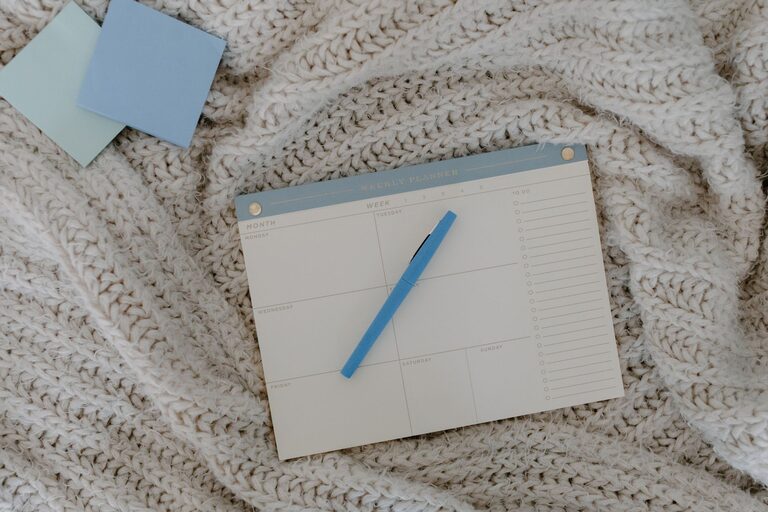
Keeping your home clean does not have to mean spending an entire weekend scrubbing, sorting, and organizing. A simple weekly cleaning schedule can help you spread tasks across the week, making each chore easier to manage.
The goal is not to make your home perfect every day. Instead, focus on completing a few useful tasks regularly so dirt and clutter do not build up. This flexible schedule can be adjusted to fit your home, work hours, family routine, and personal preferences.
How to Use This Cleaning Schedule
Before getting started, gather a few basic supplies:
- All-purpose cleaner
- Microfiber cloths
- Sponges or scrub brushes
- A broom, vacuum, or mop
- Garbage bags
- Disinfecting wipes, if needed
Keep your supplies together in a basket or caddy. Having everything in one place saves time and makes it easier to begin a task.
Try to spend about 20 to 40 minutes on the main daily chores. You can also add a quick five-minute tidy-up in the morning or evening. If you miss a day, simply continue with the next task instead of trying to catch up all at once.
Monday: Reset the Kitchen
Start the week by giving the kitchen extra attention. The kitchen is one of the most frequently used rooms in the home, so cleaning it early can make the rest of the week feel more organized.
Main tasks
- Clear and wipe the kitchen counters.
- Clean the stovetop and the outside of small appliances.
- Wipe cabinet handles and frequently touched surfaces.
- Check the refrigerator for spoiled or expired food.
- Sweep or vacuum the floor.
- Take out the trash and recycling.
If the refrigerator needs more attention, remove one shelf or drawer at a time and wipe it clean. Avoid trying to clean the entire appliance every week unless necessary. A small maintenance task is usually enough.
Tuesday: Clean Bathrooms
Bathrooms are easier to maintain when cleaned regularly. Focus on the areas that collect moisture, soap, and dust.
Main tasks
- Clean the toilet, including the seat, lid, and outer surfaces.
- Scrub the sink and wipe the faucet.
- Clean the mirror.
- Rinse or wipe the shower and tub.
- Replace used towels.
- Empty the bathroom trash.
- Sweep and mop the floor.
Allow cleaning products to sit for the recommended amount of time before wiping them away. This can help loosen dirt and reduce the amount of scrubbing required. Keep the bathroom ventilated while cleaning, and follow product instructions carefully.
Wednesday: Dust and Vacuum
Midweek is a good time to remove dust from living spaces and bedrooms. Regular dusting can help rooms look cleaner and prevent buildup on furniture and surfaces.
Main tasks
- Dust shelves, tables, window ledges, and furniture.
- Wipe frequently touched items such as light switches and door handles.
- Vacuum carpets and rugs.
- Vacuum or sweep hard floors.
- Clean under easily movable furniture.
Work from the top down. For example, dust shelves before vacuuming the floor. This prevents dust that falls during cleaning from settling on areas you have already finished.
Use a slightly damp microfiber cloth for most surfaces. A dry cloth may move dust around instead of collecting it. Check the care instructions before cleaning delicate wood, glass, or electronic items.
Thursday: Focus on Bedrooms and Laundry
Thursday can be used for bedrooms, linens, and laundry. Breaking laundry into smaller loads may make the task less tiring.
Main tasks
- Change bed sheets and pillowcases.
- Put dirty clothes in the laundry basket.
- Fold and put away clean laundry.
- Clear bedside tables and dressers.
- Dust bedroom surfaces.
- Vacuum or sweep the floors.
Try not to leave folded laundry in a basket for several days. Putting clothes away immediately keeps bedrooms neater and prevents clean items from becoming wrinkled.
This is also a useful day to check closets and drawers. Remove clothing that belongs elsewhere, and set aside items that no longer fit or are no longer used. You do not need to organize the entire closet at once. One drawer or shelf is enough.
Friday: Tidy Shared Spaces
Prepare the main living areas for the weekend with a quick reset. These spaces often collect items from throughout the week.
Main tasks
- Return books, toys, shoes, and other items to their proper places.
- Clear coffee tables, dining tables, and entryway surfaces.
- Dust the television stand and other furniture.
- Vacuum sofas and remove cushions to clean underneath.
- Sweep or vacuum the entryway.
- Clean visible marks from doors and walls.
Use baskets or bins to gather items that belong in different rooms. Carry the basket through the home and return each item to its place. This method is often faster than walking back and forth for individual items.
Saturday: Complete One Deep Cleaning Task
Saturday can be your flexible cleaning day. Instead of deep-cleaning the whole home, choose one larger task each week.
Ideas for a weekly deep-cleaning task
- Clean inside the oven or microwave.
- Wash windows or wipe window frames.
- Clean behind or beneath larger appliances.
- Wash shower curtains or bath mats.
- Organize a pantry, cabinet, or closet.
- Dust ceiling fans and light fixtures.
- Clean baseboards in one or two rooms.
Rotating these tasks means important areas receive attention over time without making your regular schedule too demanding. If you have limited time, choose the task that will make the biggest difference in your home.
Sunday: Light Reset and Planning
Sunday should be a lighter day. Use it to prepare for the week ahead rather than taking on heavy cleaning.
Main tasks
- Put away items left out during the weekend.
- Check that dishes are washed and counters are clear.
- Empty small trash bins if needed.
- Restock basic cleaning supplies.
- Review the upcoming week and choose any extra tasks.
A short evening reset can make Monday easier. Spend 10 minutes putting things away, preparing clothing, and clearing the kitchen. These small habits help reduce morning stress and keep clutter under control.
Tips for Making the Schedule Work
Adjust the plan to your home
Not every home needs the same cleaning routine. A small apartment may require less time, while a larger home or busy household may need tasks divided among several people. Add or remove chores based on how quickly your home becomes dirty.
Use a timer
Set a timer for 15, 20, or 30 minutes and focus on one area. A time limit can make cleaning feel more manageable and helps prevent one task from taking over the entire day.
Clean as you go
Wipe small spills when they happen, rinse dishes after use, and return items to their proper places. These habits reduce the amount of work needed during scheduled cleaning time.
Share the responsibility
If you live with other people, assign age-appropriate tasks. One person can vacuum while another wipes surfaces or takes out the trash. Sharing chores makes the schedule more sustainable.
The best cleaning schedule is one you can follow consistently. Keep the routine simple, make adjustments when needed, and focus on steady progress rather than perfection. Over time, small daily efforts can make your home feel cleaner, calmer, and easier to maintain.